A Haven for Pirates and Corsairs
In its early days, Tabarca was known as a refuge for Barbary pirates. In the 18th century, its strategic position in the Mediterranean made it an ideal base for pirates launching raids on the Spanish coast. This was a constant problem for the Kingdom of Spain, then ruled by Charles III.
The Transformation by Charles III
Tabarca’s history took a major turn when King Charles III of Spain decided to put an end to the pirate threat. He ordered the island to be fortified and permanently settled. The first inhabitants of the “new” Tabarca were not Spanish but a community of Genoese fishermen who had been held captive in Tunisia and were freed by the Spanish Crown.
The Birth of a Community
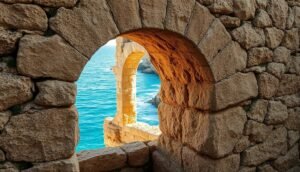
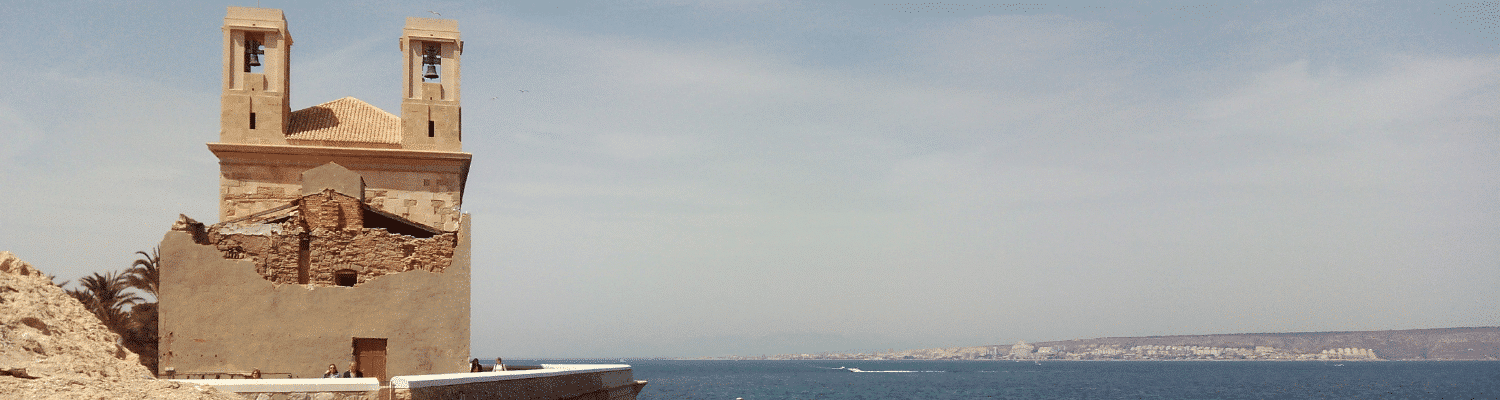
These fishermen, whose families originally came from Pegli, near Genoa (Italy), were resettled on Tabarca. Charles III wanted a permanent presence on the island to keep the pirates from returning. The island was fortified, and walls, towers, a church and other buildings were built for the new population, turning Tabarca into a fortified town built from scratch in the 18th century.
From Fortaleza to Marine Reserve
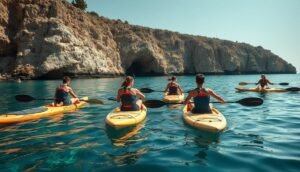
Over time, Tabarca’s strategic importance declined and the island gradually became a quiet fishing village. In recent decades it has changed again, this time towards tourism: its natural beauty, crystal-clear waters and rich history have made it a popular destination.
In 1986 the waters around the island were declared a marine reserve, the first of its kind in Spain, protecting the marine environment and promoting sustainable tourism. This status has helped preserve Tabarca’s biodiversity and natural beauty, attracting visitors interested in nature, history and culture.