Snorkelling in Tabarca
Tabarca is one of the most spectacular destinations for snorkelling on the Costa Blanca. Explore its protected marine reserve, dive into crystal-clear waters teeming with marine life, and discover the island’s most unique spots from a different perspective.
Discover the sea around Tabarca,
like you’ve never seen it before.
Snorkelling on the island of Tabarca
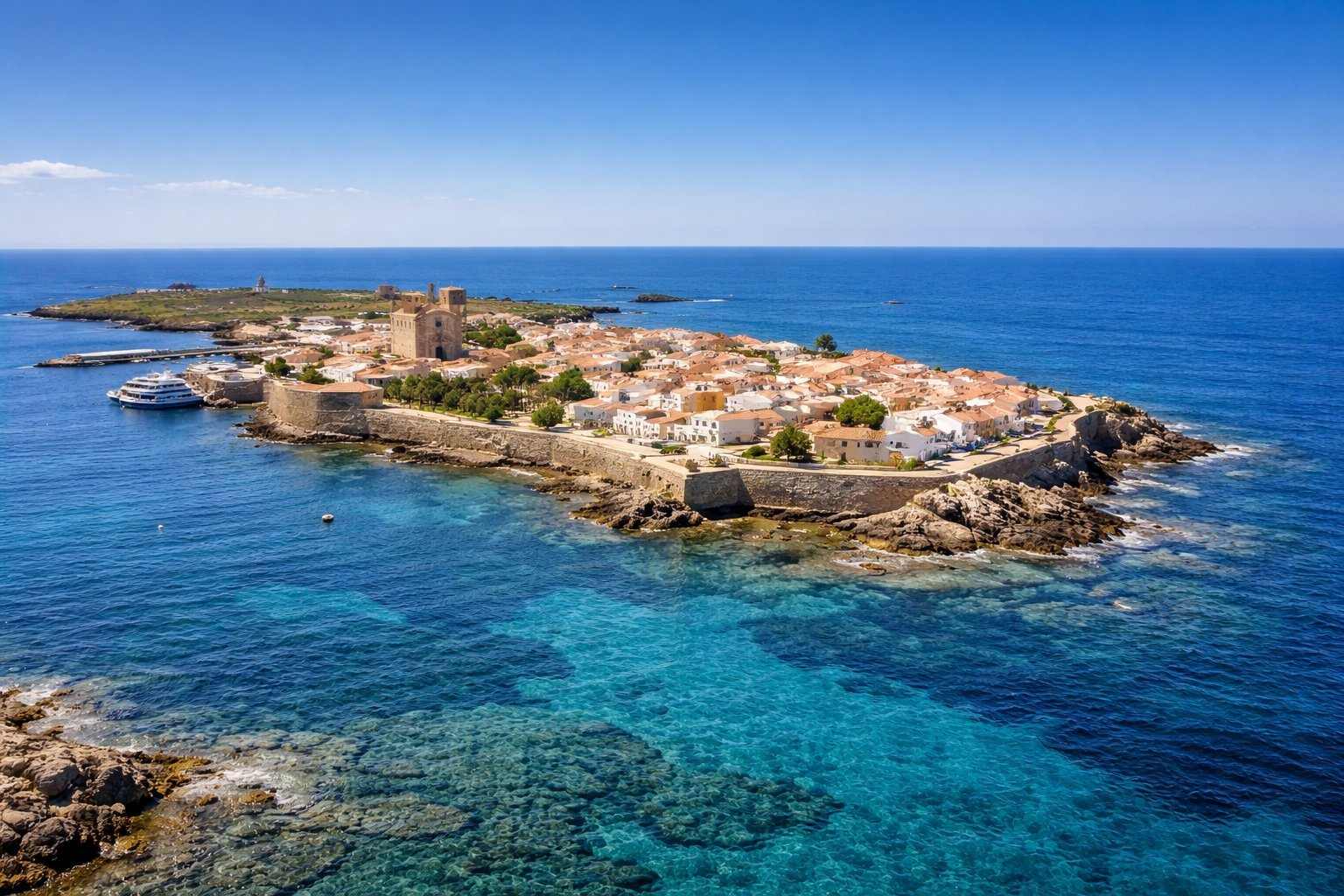
Snorkelling is undoubtedly the simplest, most accessible and most spectacular way to explore the island of Tabarca. Diving into its crystal-clear waters allows you to explore a protected marine reserve with exceptional visibility and a level of biodiversity rarely found elsewhere along the Costa Blanca. An experience suitable for everyone, whether you’re visiting as a couple, with friends or with children.
Snorkelling trips in Tabarca
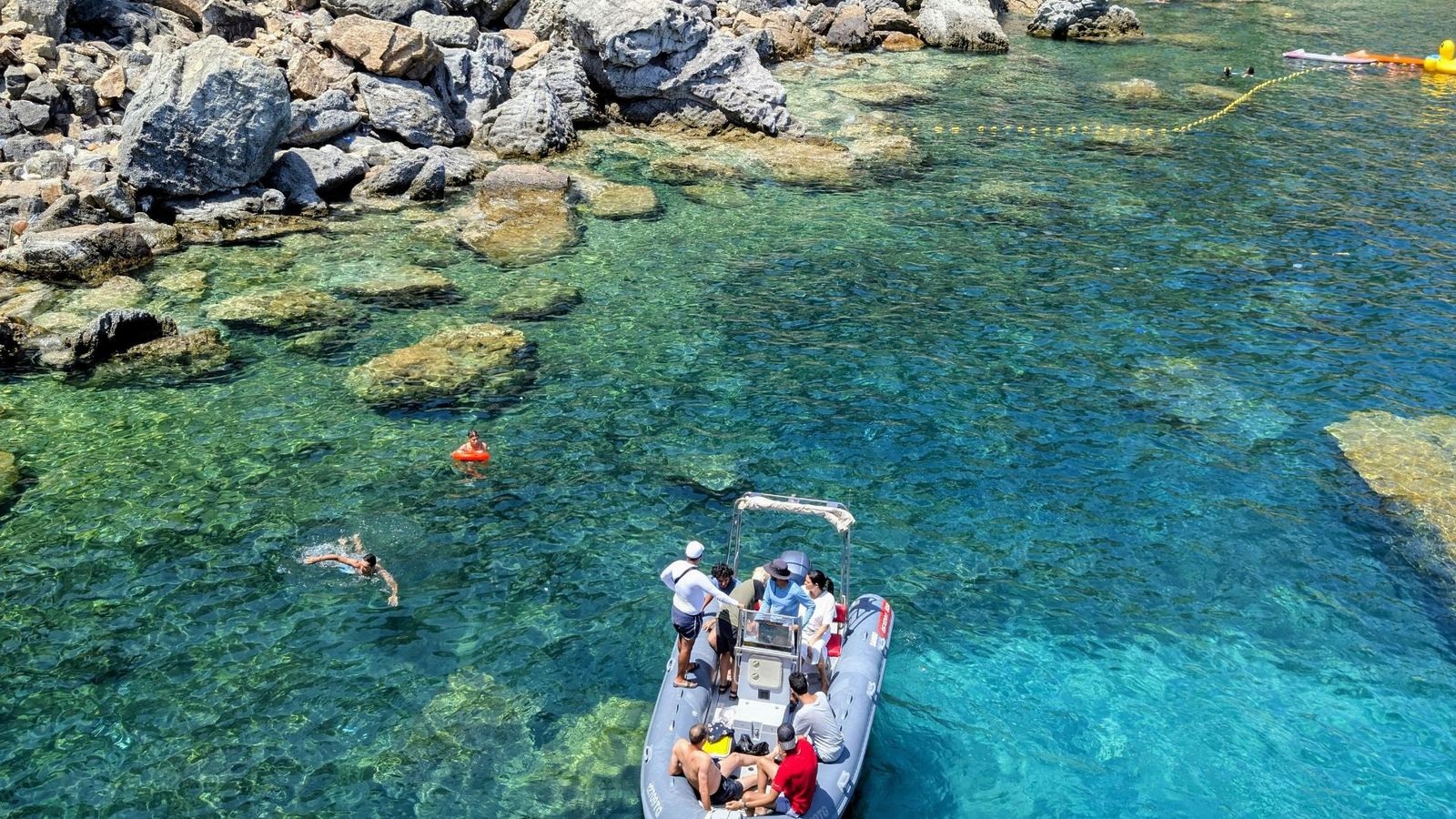
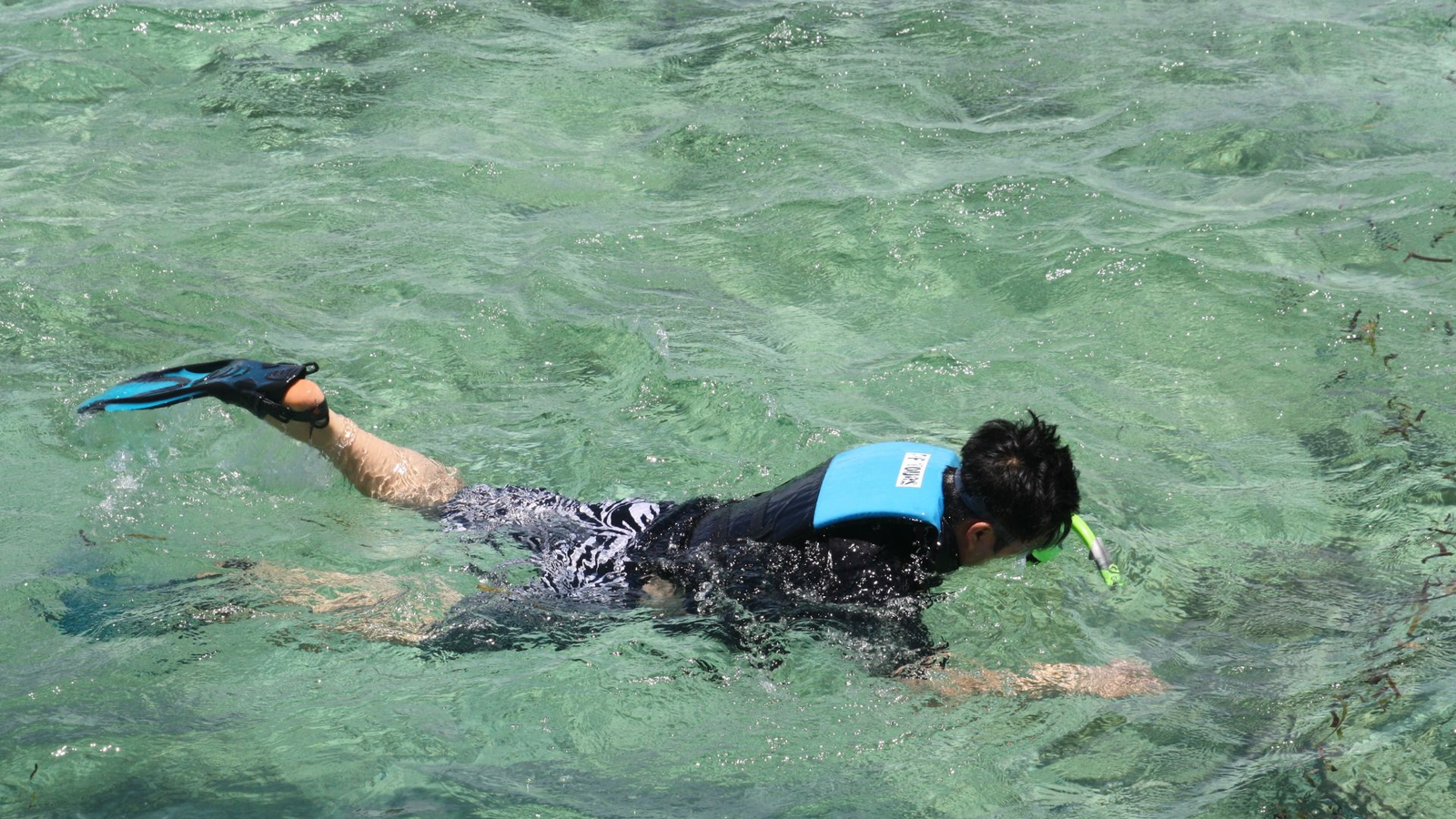
Snorkelling in Tabarca
Let us help you discover Tabarca underwater
Everything included in your snorkelling trip to Tabarca
A snorkelling trip is the best way to explore the island’s seabed. We offer you a safe, well-organised experience, designed to let you explore Tabarca from beneath the sea without a care in the world.
Return transport
We’ve included the boat transfer from Santa Pola to Tabarca and back, so all you have to worry about is enjoying yourself.
Full team
High-quality goggles, snorkels and fins, suitable for all ages and levels of experience.
Specialist guide
We’ll be with you throughout the activity and help you identify the different marine species found in Tabarca.
Photo report
You’ll take home a professional memento of your underwater experience, without having to worry about taking photos.

Discover the best
spots in Tabarca
The best spots for snorkelling in Tabarca
You can go snorkelling almost anywhere on the island, but there are certain areas that stand out in particular for their marine life and crystal-clear waters. Here are our recommendations.
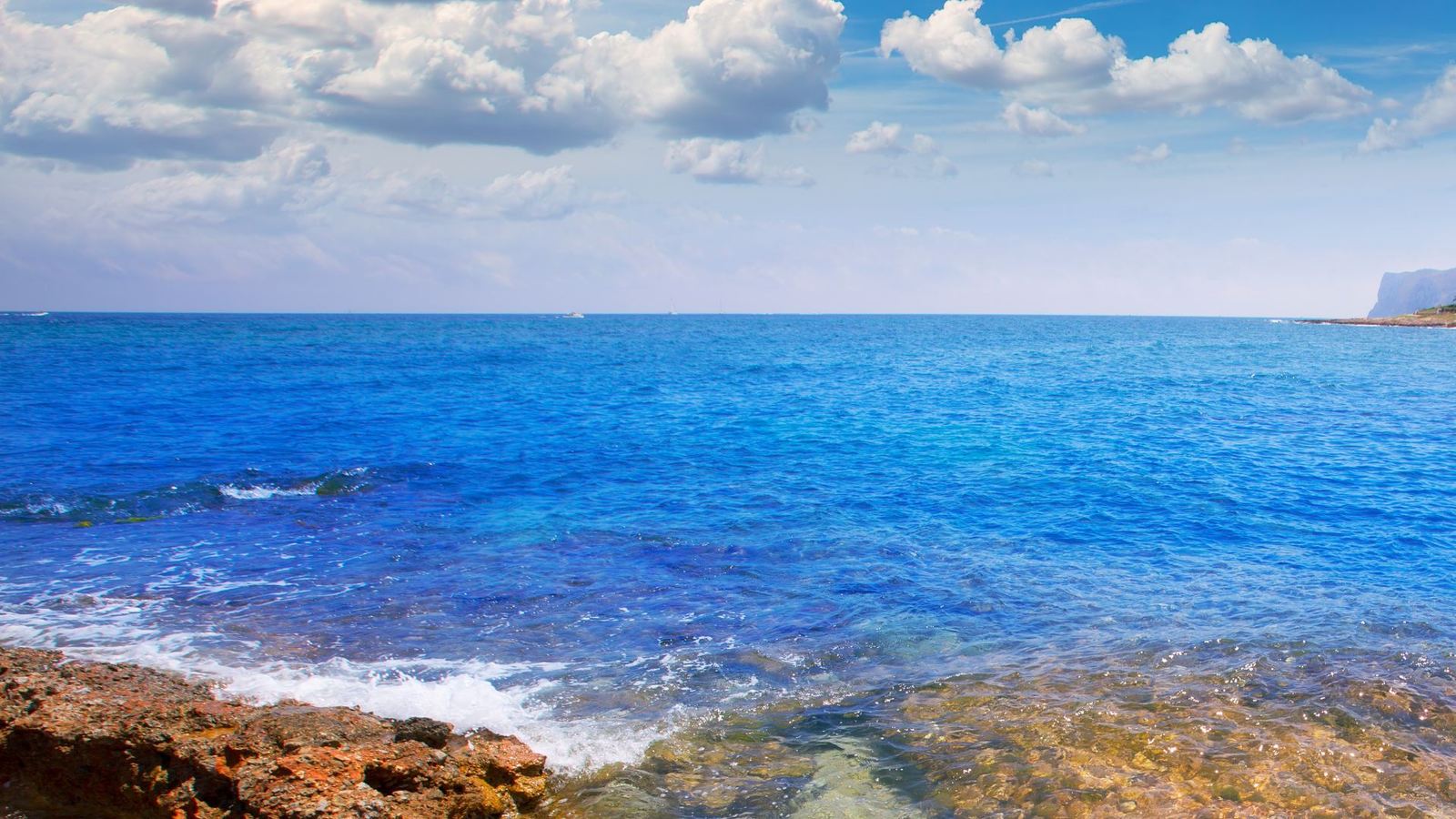
La Galera
A small nearby island with a large bird population and a high concentration of marine life beneath the surface. Ideal for those looking for a variety of fish.
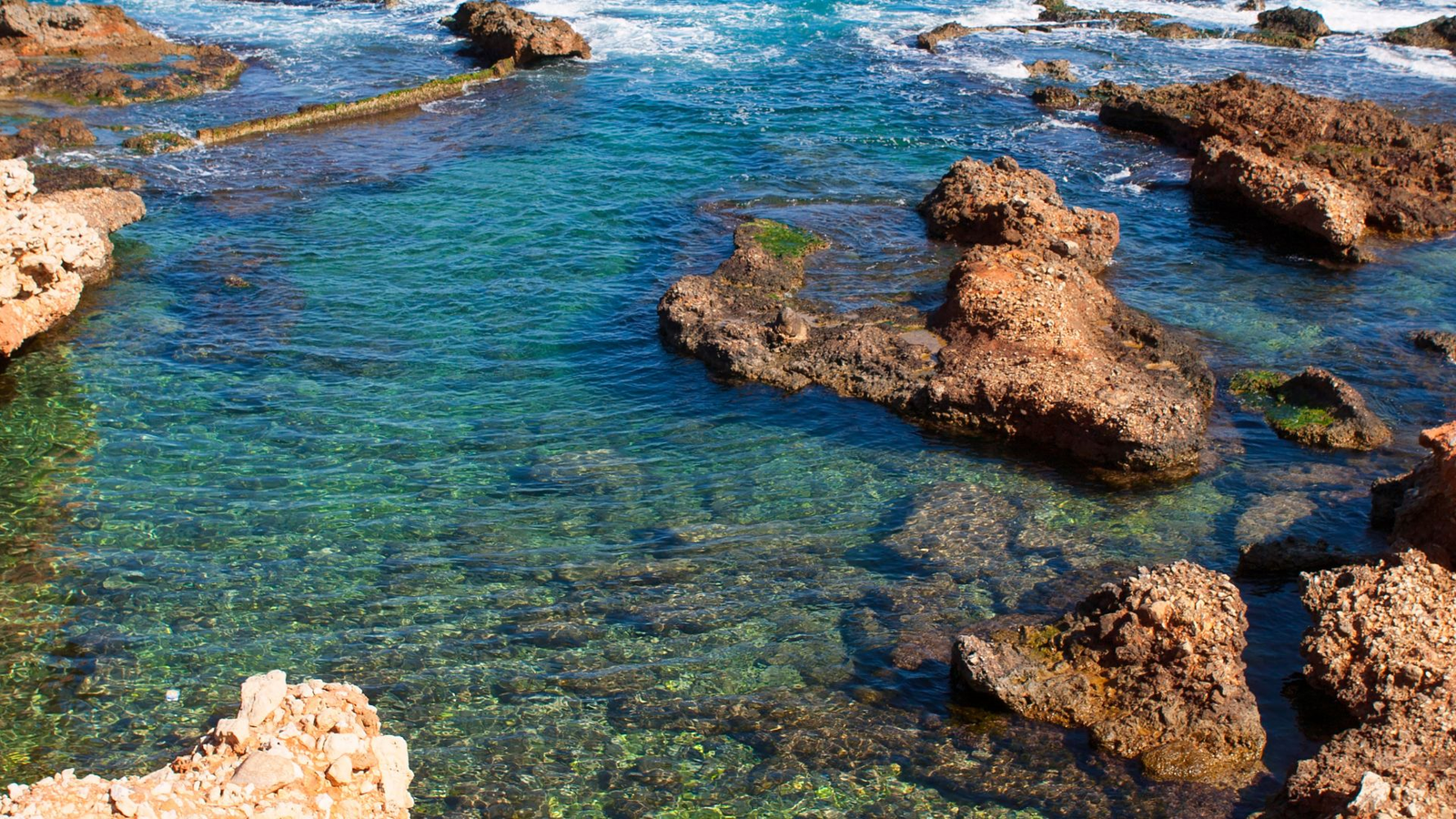
L'Escull Negre
One of the most spectacular spots for snorkelling in Tabarca. It is renowned for its rock formations, underwater caves and exceptionally clear waters.
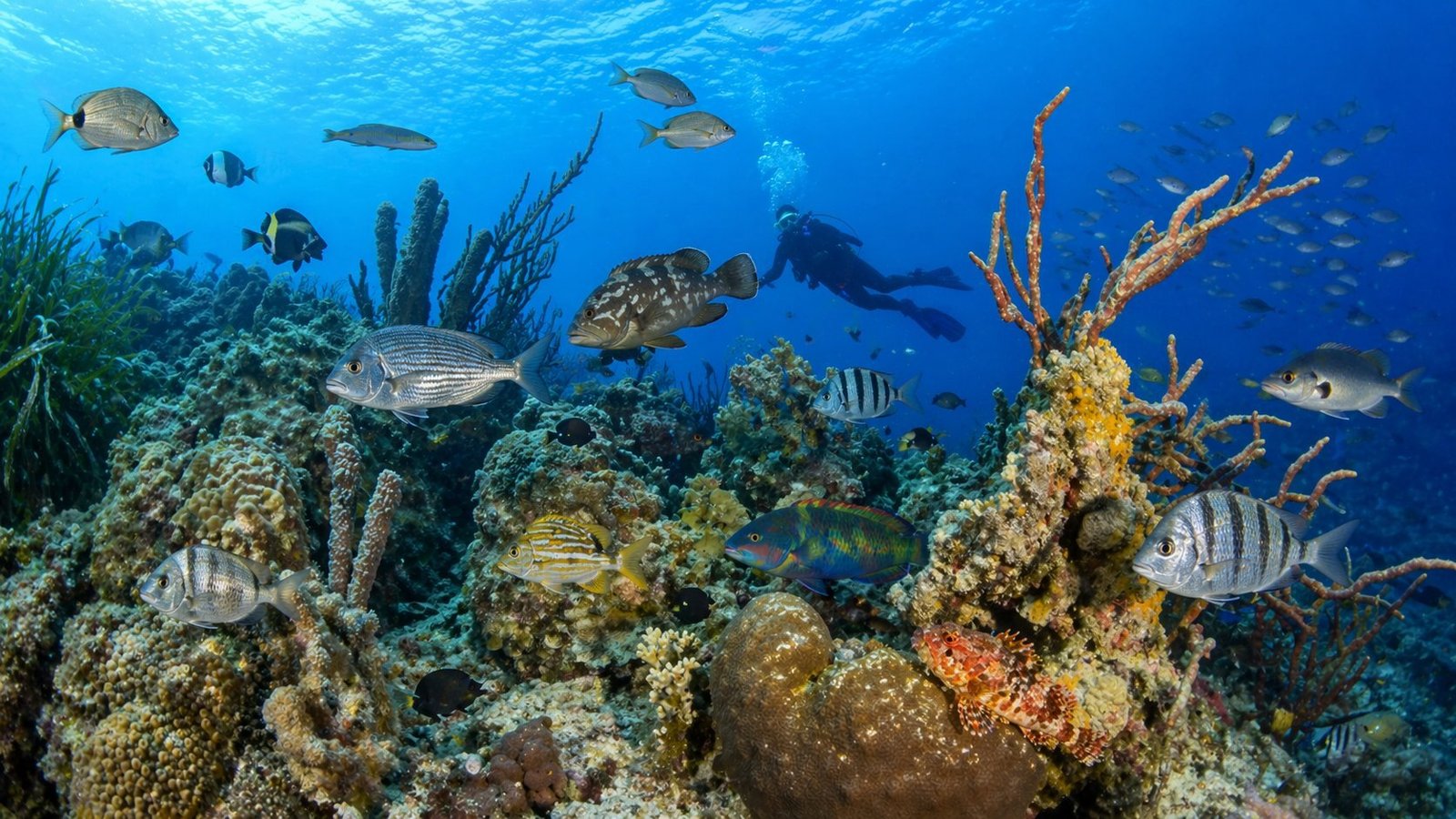
Tabarca Marine Reserve
Protected since 1986, it is one of the best-preserved sites in the Mediterranean. Posidonia meadows and a wealth of biodiversity guarantee a unique experience.
Practical guide · Updated November 2026
Snorkelling in Tabarca on your own: what you need to know
Tabarca is Spain’s first marine reserve (1986), and you notice it the moment you put your head underwater. To snorkel from the shore you don’t need a permit; you just have to follow the reserve’s rules.
When to go
| Month | Water temperature (approx.) | Comment |
|---|---|---|
| May | 18–19 °C | Cool; a shorty wetsuit helps. |
| June | 21–23 °C | Very good: mild water and fewer people. |
| July and August | 25–27 °C | Warmest, but more boats and swimmers. |
| September | 24–26 °C | Probably the best month. |
| October | 21–23 °C | Good, although there are fewer boats to the island. |
Early in the morning the water is usually calmer and clearer, and there are fewer people than when the midday boats arrive.
Fish you will see
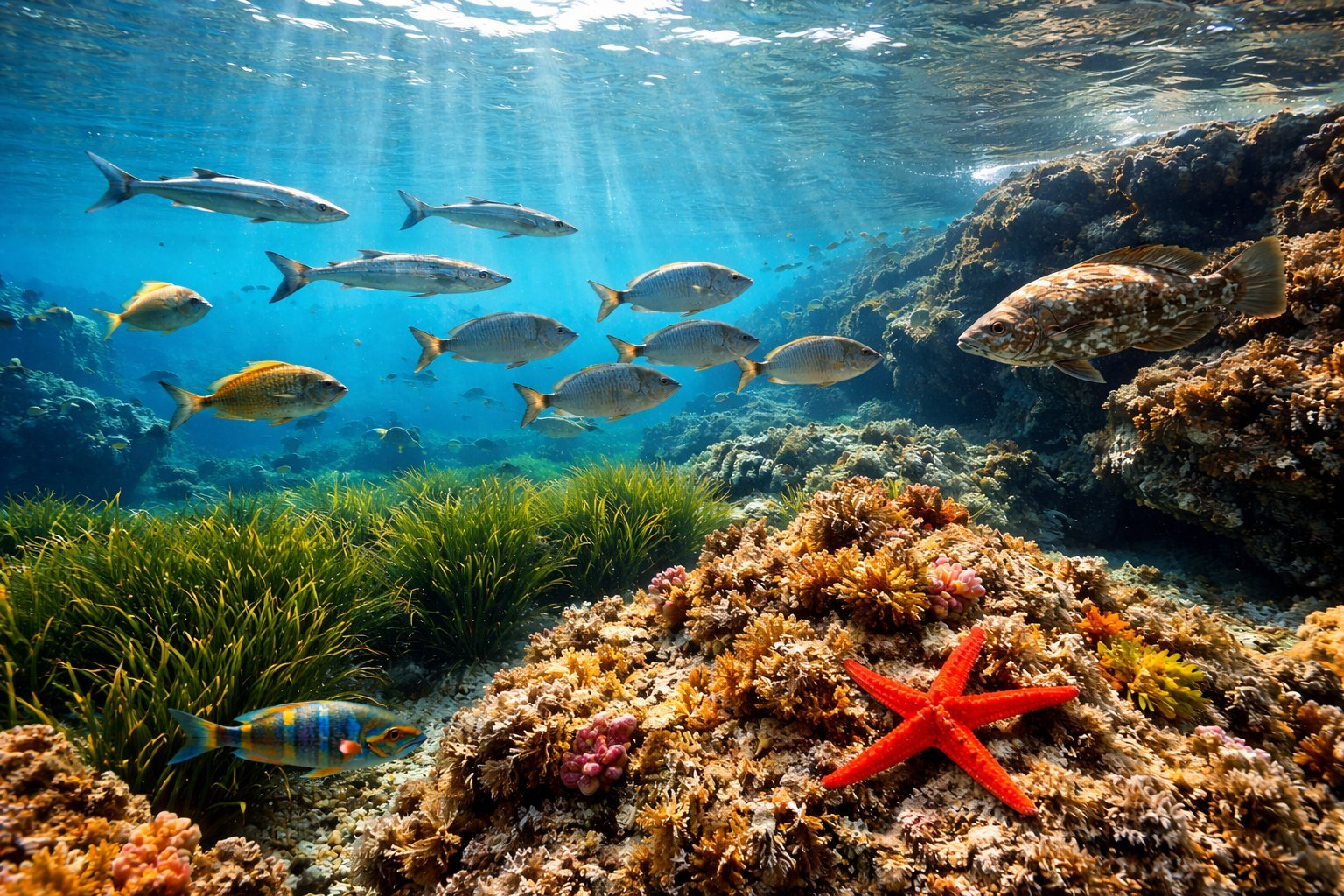
Close to the shore you will usually see salema, white seabream, gilt-head bream, damselfish (the juveniles are electric blue), red mullet and, with patience, octopus and nudibranchs. Groupers, the symbol of the reserve, are easier to see when diving.
What to bring
- Mask and snorkel (ideally your own, tested beforehand).
- Water shoes: the coves are rocky and the main beach is gravel.
- A rash vest or reef-safe sunscreen.
- A marker buoy if you are going to swim away from the shore.
Safety and rules
- Stay close to the coast: boats operate around the island.
- Don’t touch, take or feed the animals, and don’t stand on the Posidonia.
- Spearfishing is banned throughout the reserve.
- If the sea is rough, leave it for another day: visibility drops and getting in and out over the rocks is dangerous.
If you prefer a guided trip with equipment included and from a boat, see the snorkelling tours on this page. To get there on your own, see the boat from Santa Pola.
Frequently asked questions about
snorkelling in Tabarca
Where can I go snorkelling in Tabarca?
You can go snorkelling in various parts of Tabarca Island, particularly in areas with crystal-clear waters and rocky seabeds. Some of the best-known spots include the area around the Marine Reserve, calm waters close to the coast, and sites such as La Galera and L’Escull Negre.
Can you go snorkelling in Tabarca on your own?
Yes, going snorkelling in Tabarca on your own is a very common option. It is recommended for people who feel comfortable in the water and who already have some experience of swimming or using a mask and snorkel.
Is it worth booking a snorkelling trip in Tabarca?
Yes, a snorkelling trip to Tabarca is highly recommended if you want to go in complete safety, discover the best spots and have access to equipment and an instructor. It’s also usually the most convenient option if you don’t have your own gear.
What does a snorkelling trip to Tabarca involve?
A snorkelling trip to Tabarca usually includes boat transport, snorkelling equipment, guidance from an instructor during the activity and, in many cases, photos of the experience. This may vary depending on the tour operator.
What equipment do I need for snorkelling in Tabarca?
To go snorkelling in Tabarca, you’ll need at least a mask and a snorkel. Fins are also recommended to help you move around more easily. If you book a tour, they’ll usually provide all the necessary equipment.
Is it safe to go snorkelling in Tabarca with children?
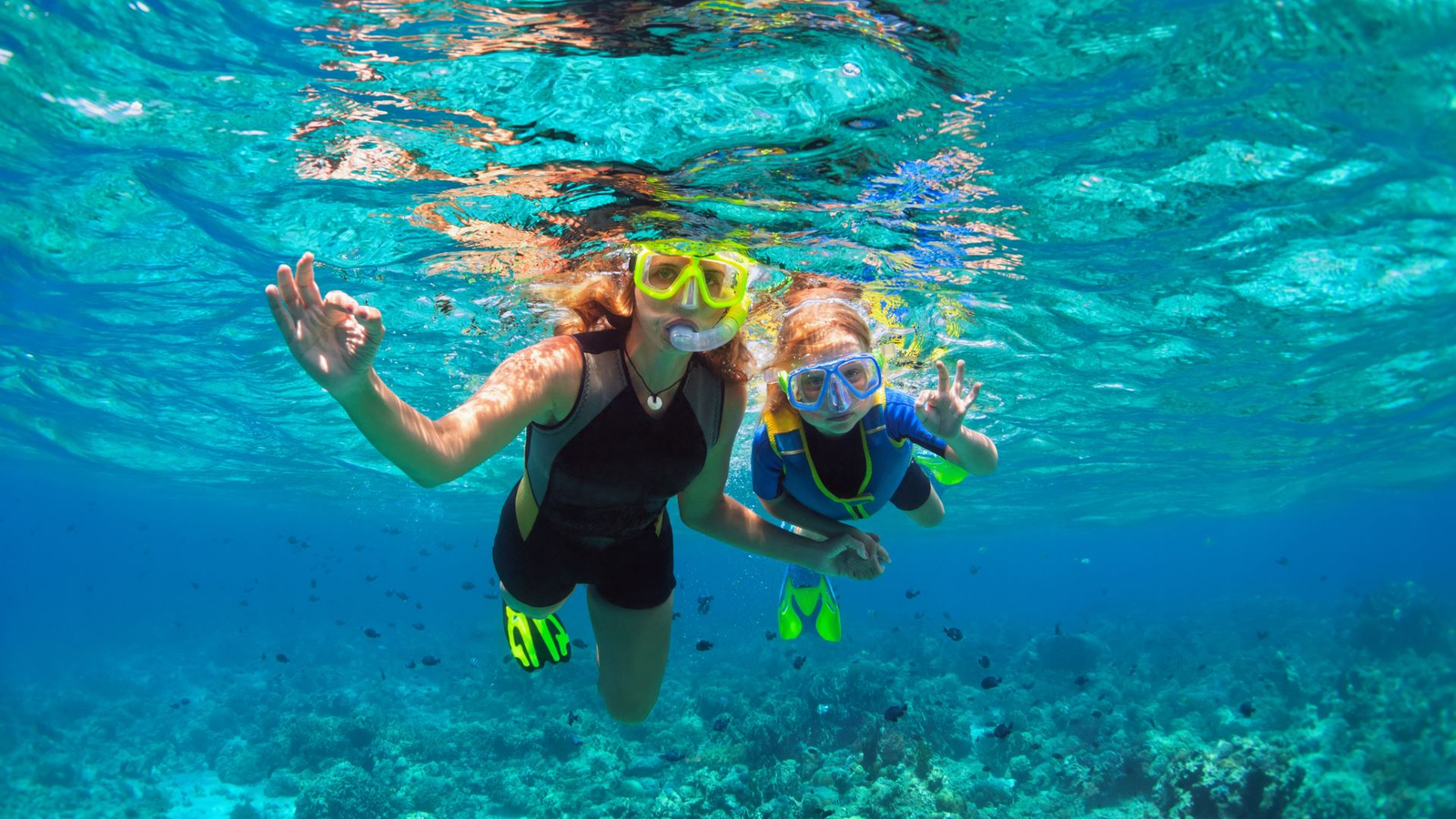
Yes, snorkelling in Tabarca can be suitable for children provided you choose calm areas, use the right equipment and ensure they are always accompanied by an adult. If you want extra peace of mind, a guided tour might be a good option.
When is the best time to go snorkelling in Tabarca?
The best time for snorkelling in Tabarca is usually between late spring and early autumn, when the water temperature is more pleasant and sea conditions are generally more favourable.