Updated November 2026. Don’t expect a long stretch of fine sand: Tabarca’s beaches are small, but they are surrounded by Spain’s first marine reserve, with some of the clearest water on the Alicante coast.
The main beach
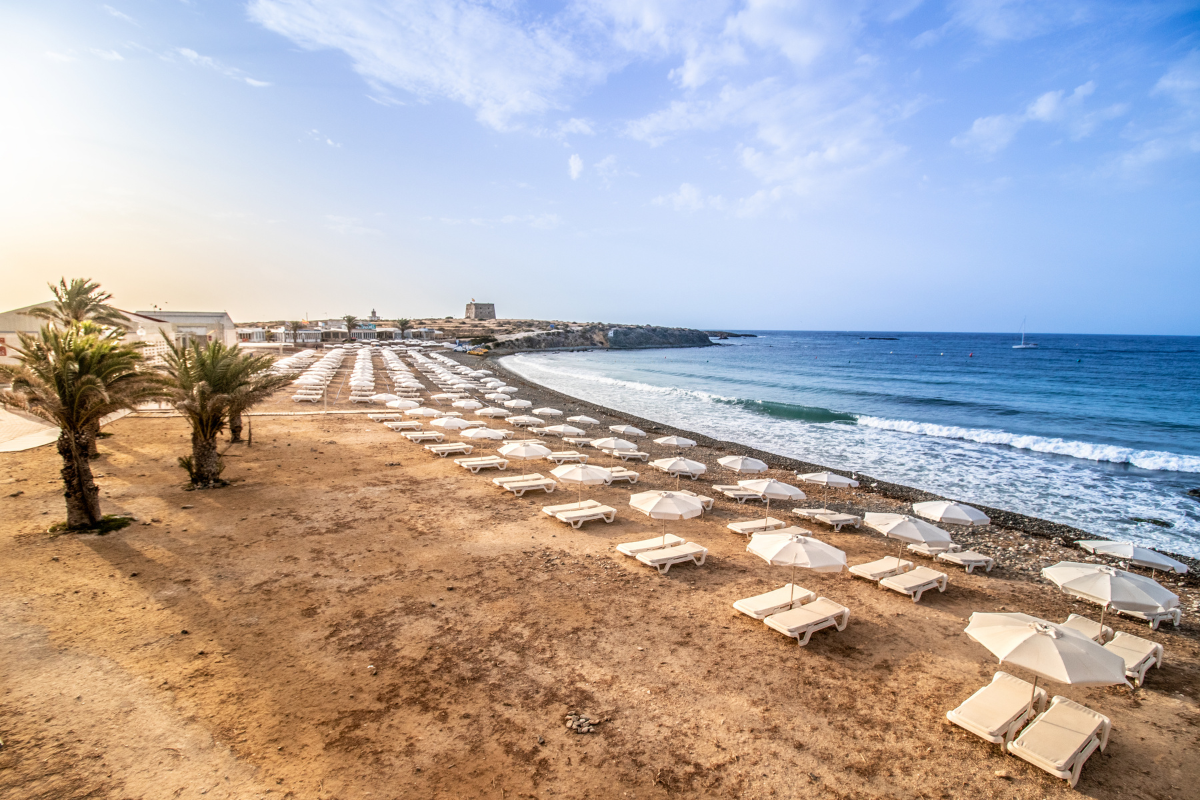
The main beach (Playa Central or Playa Grande) is next to the harbour, opposite the museum. It is only about 200 metres long and is made of coarse sand mixed with gravel and countless small white shells. It is calm and shallow, so it suits families, but it fills up quickly in July and August when the morning boats arrive.
The rocky coves
The rest of the coastline is rocky, with small coves and platforms where you can get into the water. They are the best places for snorkelling, but you need water shoes and should be careful on the rocks. Never step on or anchor over the Posidonia meadows.
What to do in the water
- Snorkelling: no permit needed, just get in from the shore. Mornings are best. See our snorkelling guide.
- Scuba diving: requires prior authorisation and is usually done with an authorised dive centre.
- Kayak and paddle surf: available from operators in Santa Pola and on the island in season.
Services
Restaurants and beach bars are concentrated around the harbour and the main beach. Facilities such as showers, toilets and sunbed rental are limited and seasonal: bring water, sun protection and shade.
Getting there and when to go
Boats leave from Santa Pola fishing port (Tabarkeras / Viajes Isla Tabarca and Transtabarca, 15–25 minutes, €9–15 return). Details in our Santa Pola boat guide. June and September are ideal: warm water and fewer people than in August.
Rules for a responsible visit
- Spearfishing is banned throughout the reserve.
- Do not touch or take living things (sea urchins, starfish, fan mussels, shells with animals inside).
- Take your rubbish and cigarette ends back with you.